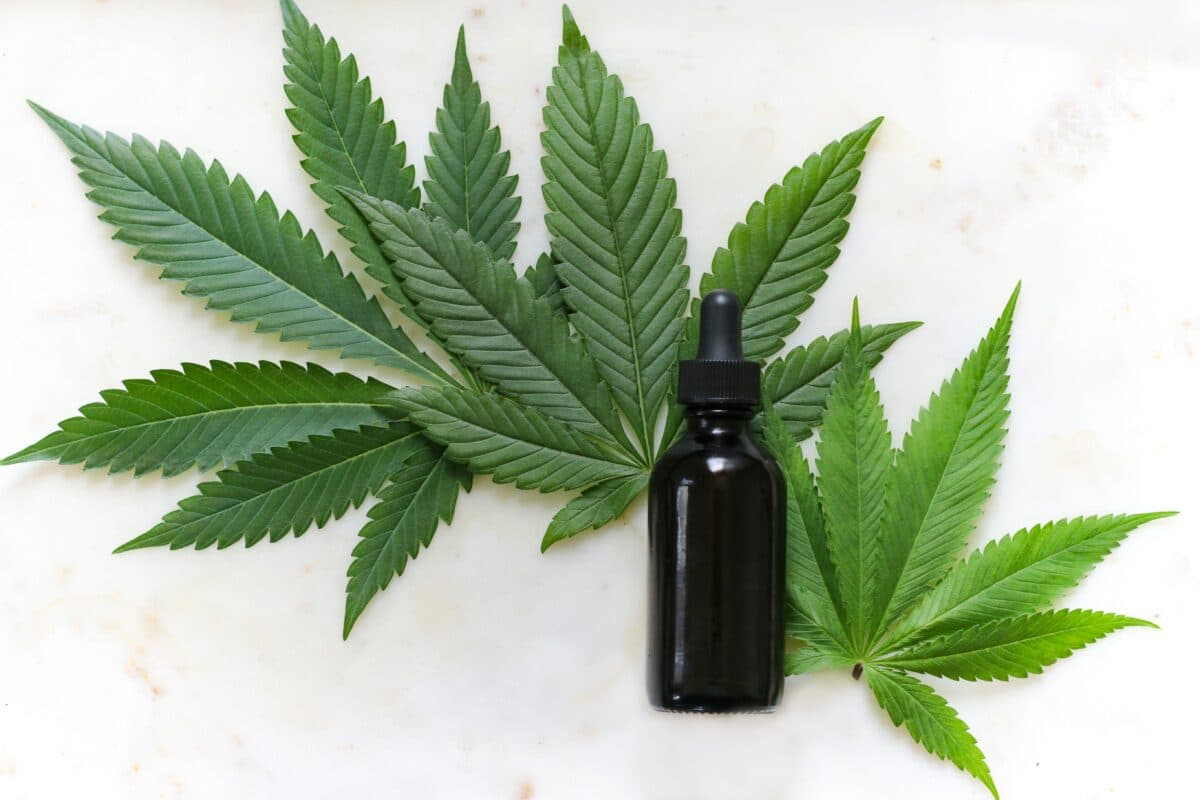



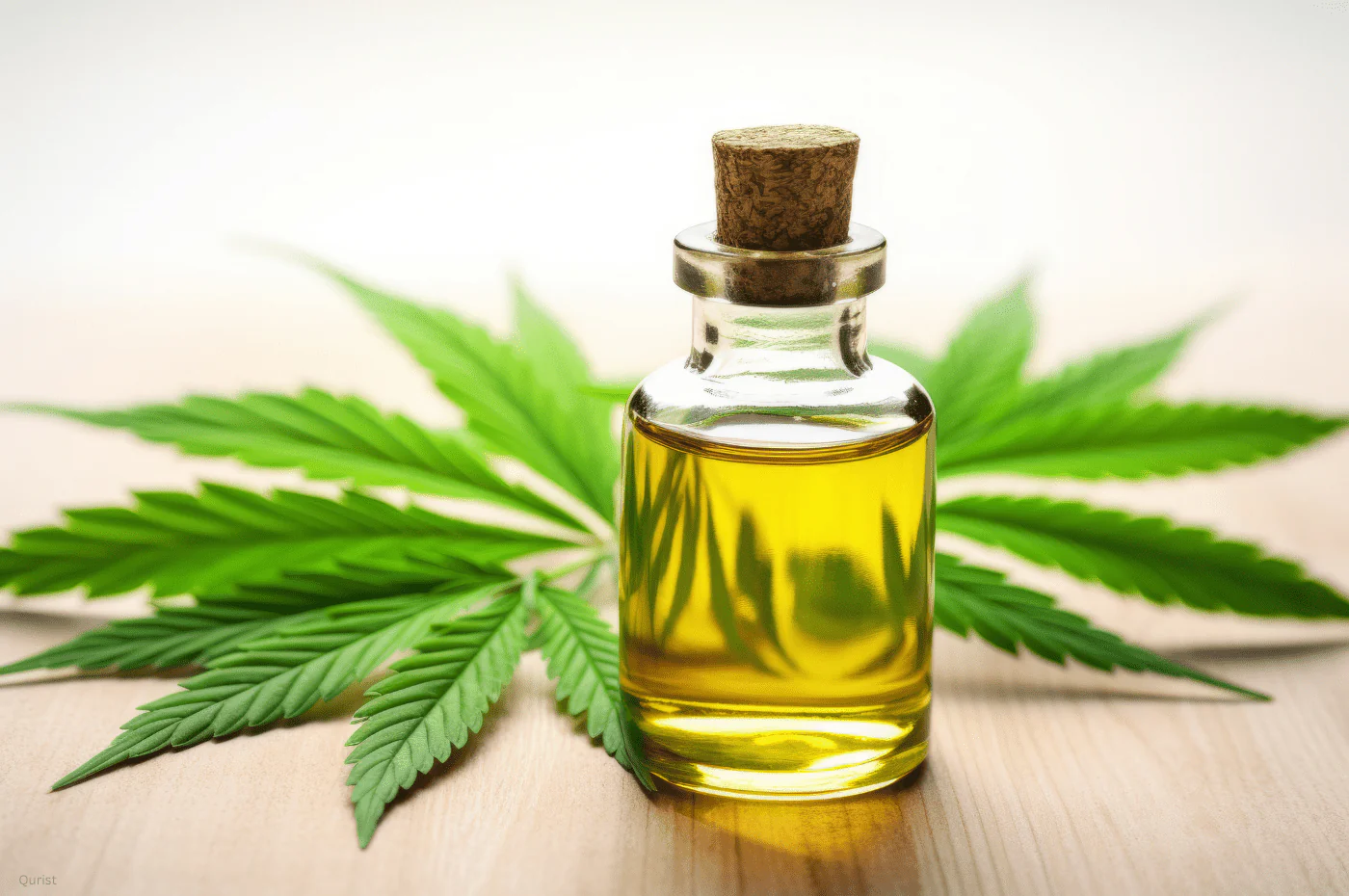
CBD, short for cannabidiol, was once viewed as a niche solution mostly discussed within alternative health communities. People interested in herbal remedies and plant based wellness were the primary audience exploring CBD in its early stages. At that time, it was often associated with traditional remedies and natural therapies rather than a widely accepted consumer product.
Limited public understanding contributed to hesitation among many consumers. CBD was frequently confused with other cannabis related compounds, which created misconceptions about its effects. As a result, early discussions about CBD remained confined to specialized wellness communities and health forums.
However, gradual exposure through online media and lifestyle platforms helped introduce CBD to broader audiences. Sometimes readers browsing entertainment content about hollywood net worth would come across articles discussing emerging wellness products, including CBD. These unexpected intersections between entertainment and health topics slowly increased awareness and curiosity among readers who might not have previously explored alternative remedies.
Growing Scientific Interest and Research
One of the most important factors that helped CBD move into the mainstream was growing scientific research. Researchers began studying cannabinoids and their interaction with the body’s internal regulatory systems. These studies helped explain how CBD could support certain aspects of wellness without producing intoxicating effects commonly linked to other compounds.
As scientific interest increased, educational resources and health discussions began spreading through media outlets and online platforms. Consumers became more informed about how CBD works and what differentiates it from other cannabis derived substances.
Business reporting also played a role in this shift. Articles appearing in small business news platforms frequently highlighted the emergence of CBD startups and hemp based wellness companies. Entrepreneurs began launching brands focused on oils, topical products, and supplements, which helped expand the market and make CBD products more accessible to everyday consumers.
Expansion of the CBD Consumer Market
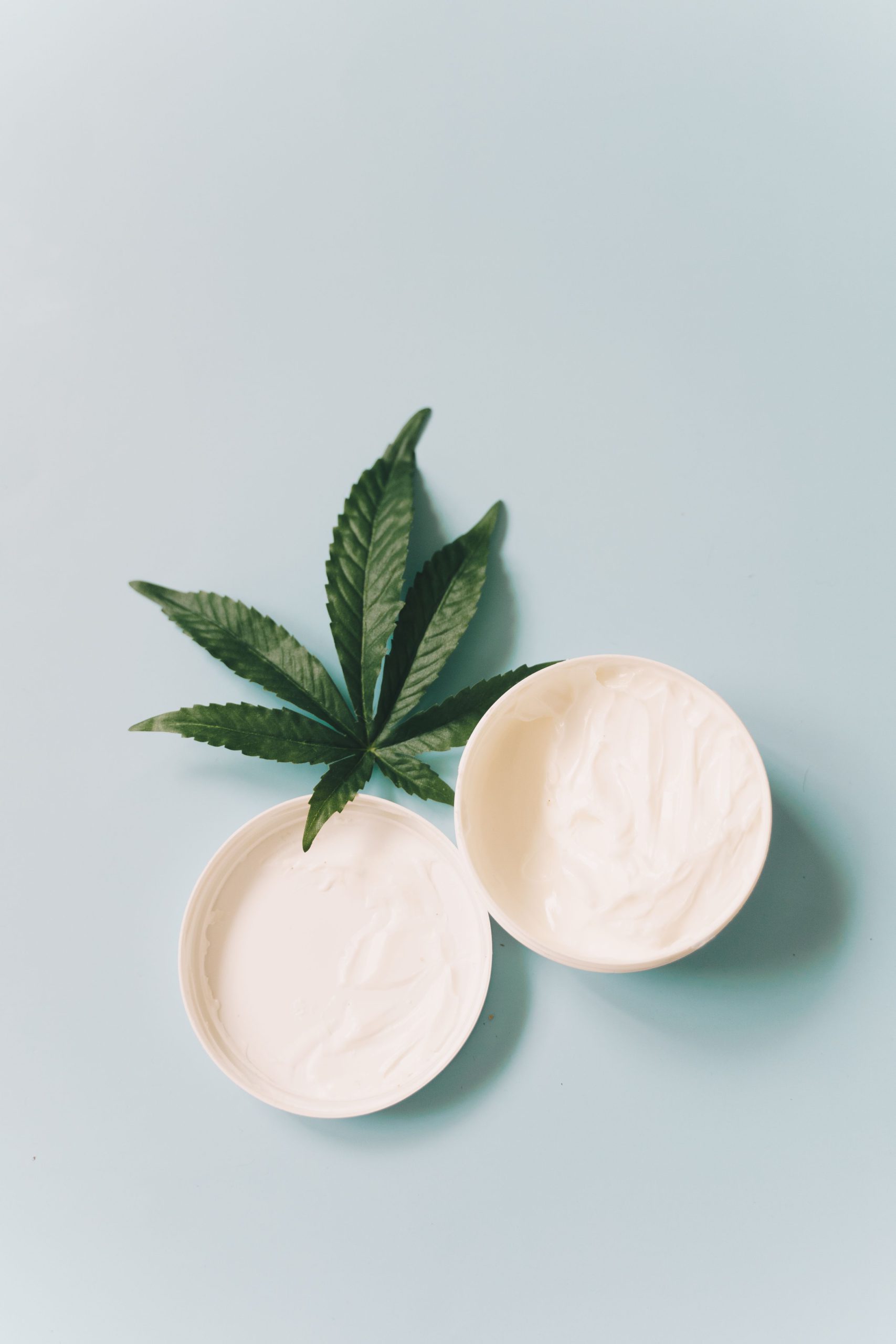
As consumer curiosity grew, CBD products started appearing in more retail environments. What once existed mainly in specialty stores gradually expanded into health shops, pharmacies, and online marketplaces. Companies began offering a variety of formats including tinctures, creams, capsules, and infused products designed for different lifestyle preferences.
Digital media further accelerated this expansion. Lifestyle blogs, entertainment platforms, and online magazines began covering the rise of CBD within modern wellness culture. Readers exploring different forms of entertainment content on sites like pinayflix.cok sometimes encountered articles discussing evolving lifestyle habits and emerging wellness trends, including the increasing popularity of CBD.
This broader visibility helped normalize CBD and made it easier for consumers to understand its role in wellness routines. Instead of being viewed as an obscure remedy, CBD gradually became recognized as a modern lifestyle product.
CBD and Modern Lifestyle Culture
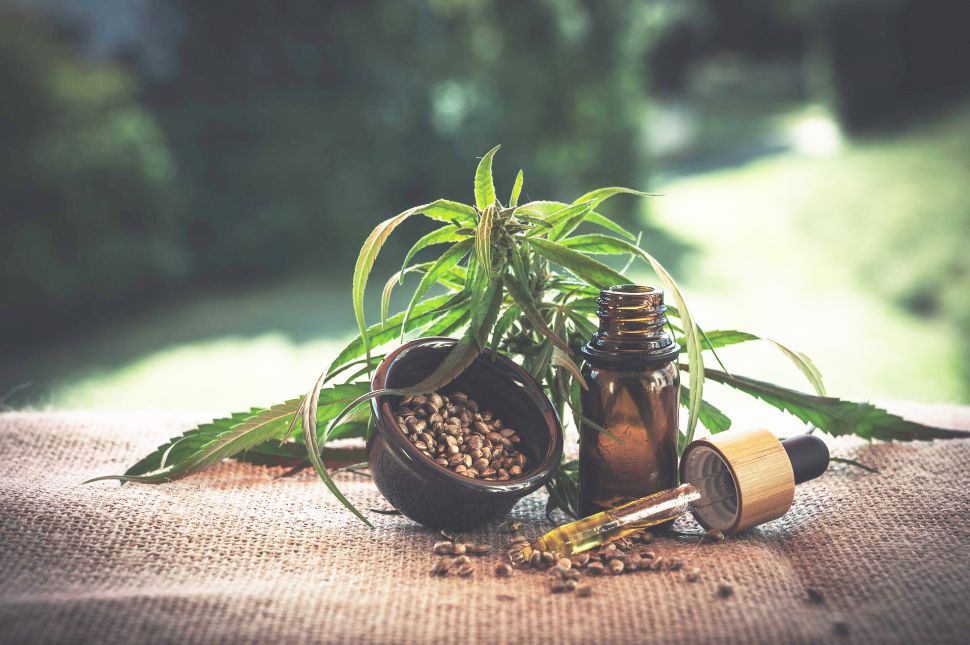
Today CBD is often associated with holistic wellness practices. Many individuals are interested in maintaining balance in their daily lives through mindfulness, exercise, healthy eating, and natural supplements. Within this lifestyle approach, CBD products are frequently explored as part of personal wellness routines.
Social media and online communities have also helped expand CBD awareness. Trending conversations on digital platforms often combine entertainment topics, lifestyle discussions, and wellness content. For example, users browsing viral topics such as snap planets. might also encounter posts about emerging health trends and natural supplements that are gaining attention among younger audiences.
This type of cultural integration shows how CBD has moved beyond its alternative health roots. It has become part of broader conversations about well being, lifestyle choices, and modern consumer habits.
Another interesting aspect of this shift is how lifestyle journalism blends different categories of content. Entertainment websites that typically publish celebrity finance stories, including discussions about hollywood net worth, sometimes explore wellness trends that capture public attention. These blended topics expose new readers to CBD and contribute to its growing visibility.
The Role of Regulation and Industry Development
Regulation and industry development have also played important roles in CBD’s transformation. Governments in many regions have introduced guidelines regarding hemp cultivation, product labeling, and safety testing. These measures help protect consumers and encourage responsible business practices.
As a result, many CBD brands emphasize transparency by providing information about product sourcing, laboratory testing, and manufacturing processes. These efforts help build trust and make consumers more comfortable exploring CBD products.
The industry has also continued to innovate by developing new formulations and delivery methods. Advances in extraction technology and product design allow companies to create more refined and diverse CBD offerings.
The Future of CBD in the Wellness Industry
The journey of CBD from an alternative remedy to a mainstream product illustrates how consumer awareness can evolve through education, research, and media exposure. What once existed within small wellness communities is now part of a global conversation about health and lifestyle.
As research continues and consumer interest grows, CBD is likely to remain a significant part of the wellness industry. With increased transparency, innovation, and public understanding, CBD products may continue expanding into new markets while maintaining their role as a natural option within modern wellness routines.